The Impact of Local Regulations on Denver's Construction Projects
MA
Understanding Local Regulations
Local regulations significantly influence the construction landscape in Denver, shaping everything from project timelines to budget allocations. These regulations are designed to ensure safety, sustainability, and community alignment. However, they can also introduce complexities that impact how projects are executed.
In Denver, like many urban areas, regulatory bodies oversee various aspects of construction. These include zoning laws, building codes, and environmental guidelines. Understanding these regulations is crucial for developers to avoid costly delays and ensure compliance.
Zoning Laws and Their Influence
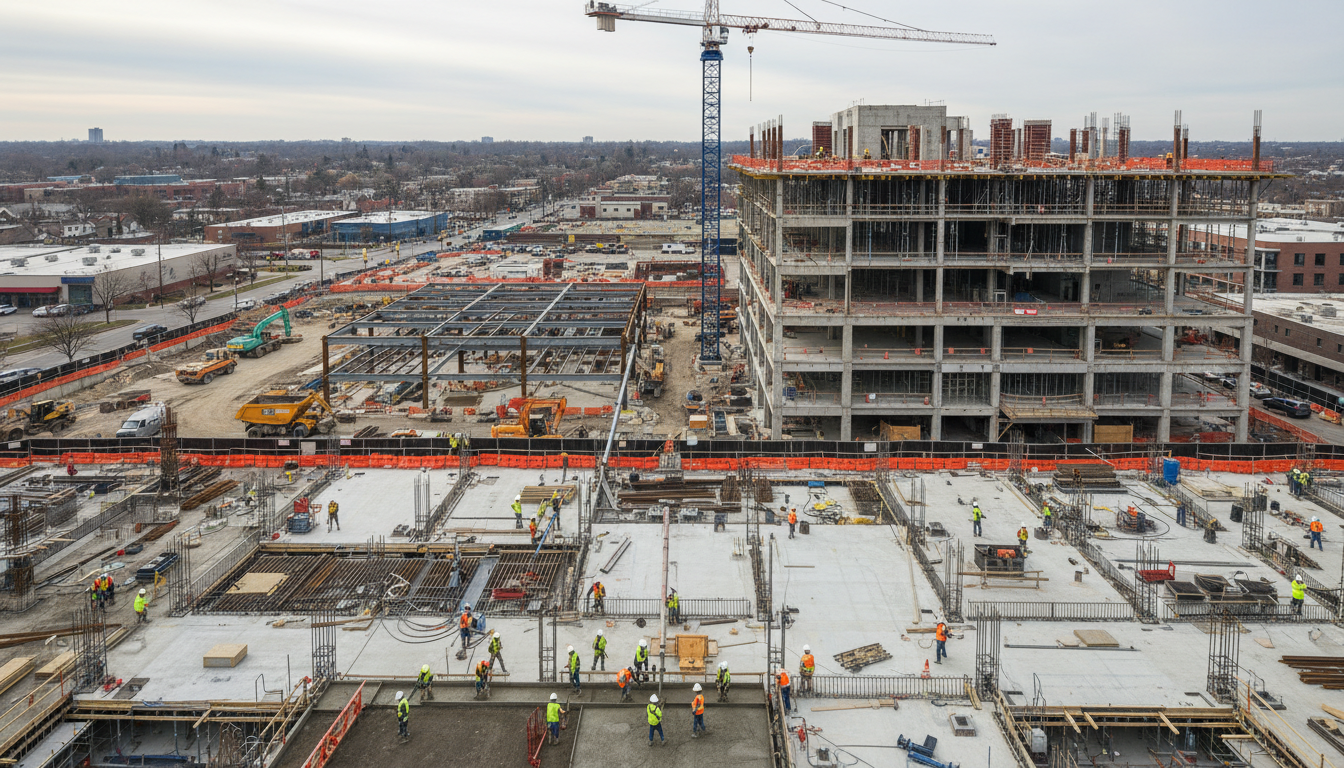
Zoning laws in Denver dictate how land can be used. These regulations determine whether an area can be used for residential, commercial, or industrial purposes. Developers must navigate these laws to ensure their projects align with the designated use of the land.
Changes in zoning laws can impact the feasibility of a project. For instance, a rezoning effort might open opportunities for high-density housing, but it could also restrict the development of certain commercial ventures. Staying informed about zoning changes is essential for strategic planning.
Building Codes: Ensuring Safety and Compliance
Building codes are critical in Denver’s construction projects. These codes specify the standards for construction practices, materials, and safety measures. Adhering to these codes ensures structures are safe and habitable, protecting both workers and future occupants.
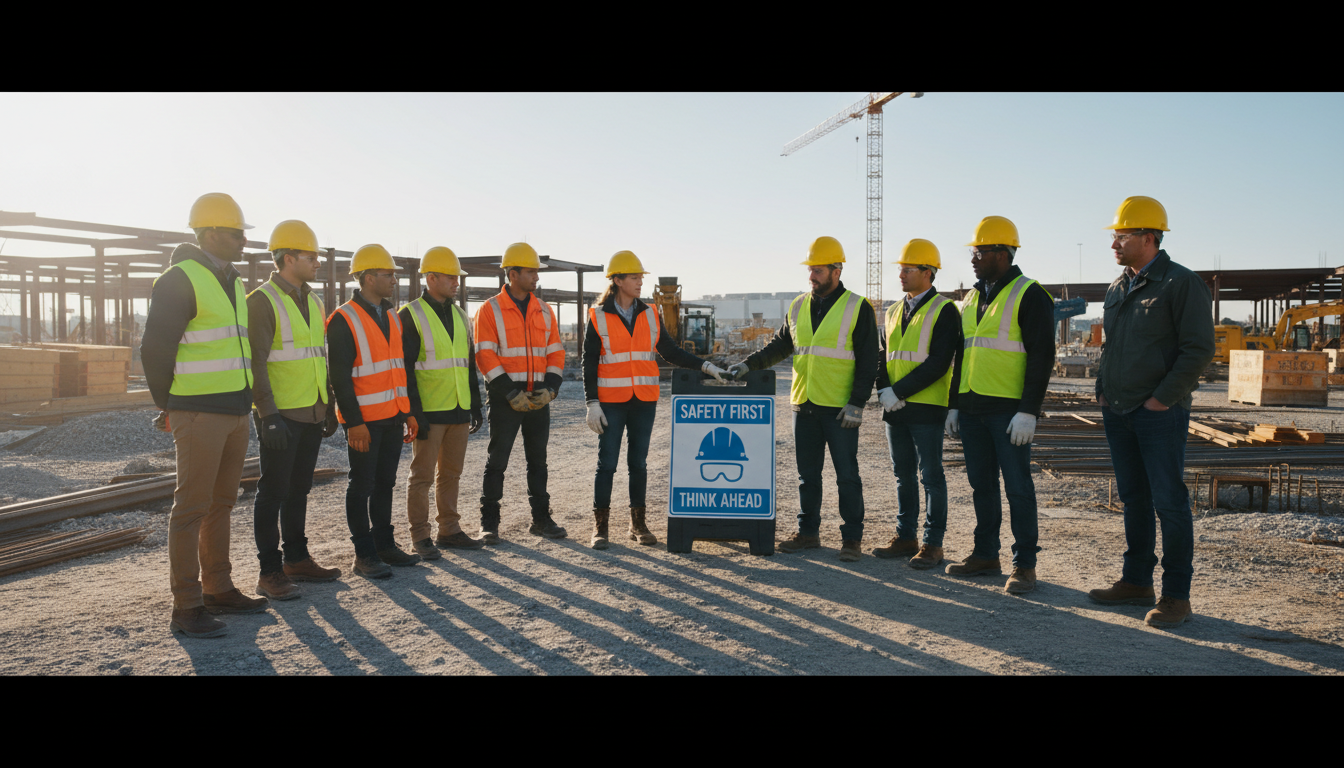
Frequent updates to building codes mean that developers must stay vigilant. Failure to comply can result in hefty fines or mandated modifications, which can derail project timelines and budgets.
Environmental Regulations and Sustainability
Environmental regulations play a crucial role in shaping Denver’s construction projects. These regulations ensure that construction activities do not harm the environment and encourage sustainable building practices. Projects may need to incorporate green technologies or adhere to standards that minimize environmental impact.
Adopting sustainable practices not only complies with regulations but also attracts environmentally conscious clients and investors. Many developers see this as an opportunity to innovate and lead in green construction initiatives.

Community Impact and Involvement
Community engagement is an essential aspect of navigating local regulations. Public opinion can influence regulatory decisions, and community support can be a significant asset. Developers often engage with local communities to understand their concerns and expectations, ensuring projects contribute positively to the area.
This involvement can lead to changes in project design or implementation to better align with community needs, fostering goodwill and smoother project execution.
Strategies for Navigating Regulations
Successfully navigating Denver’s local regulations requires strategic planning and collaboration. Developers often work closely with legal experts, architects, and local authorities to ensure compliance at every stage of the project.
- Conduct thorough research on existing and upcoming regulations.
- Engage with local authorities early in the planning process.
- Invest in training for staff to stay updated on regulatory changes.
By taking these steps, developers can mitigate risks and ensure their projects progress smoothly, contributing to Denver’s vibrant and evolving urban landscape.