
Seasonal Preparation for Denver Construction Projects: What You Need to Know
MA
As the seasons change in Denver, construction projects must adapt to the unique challenges presented by the weather. Being prepared is crucial for ensuring that your project stays on track and remains safe. Whether you're a contractor, project manager, or property owner, understanding the intricacies of seasonal preparation is key.
Understanding Denver's Climate
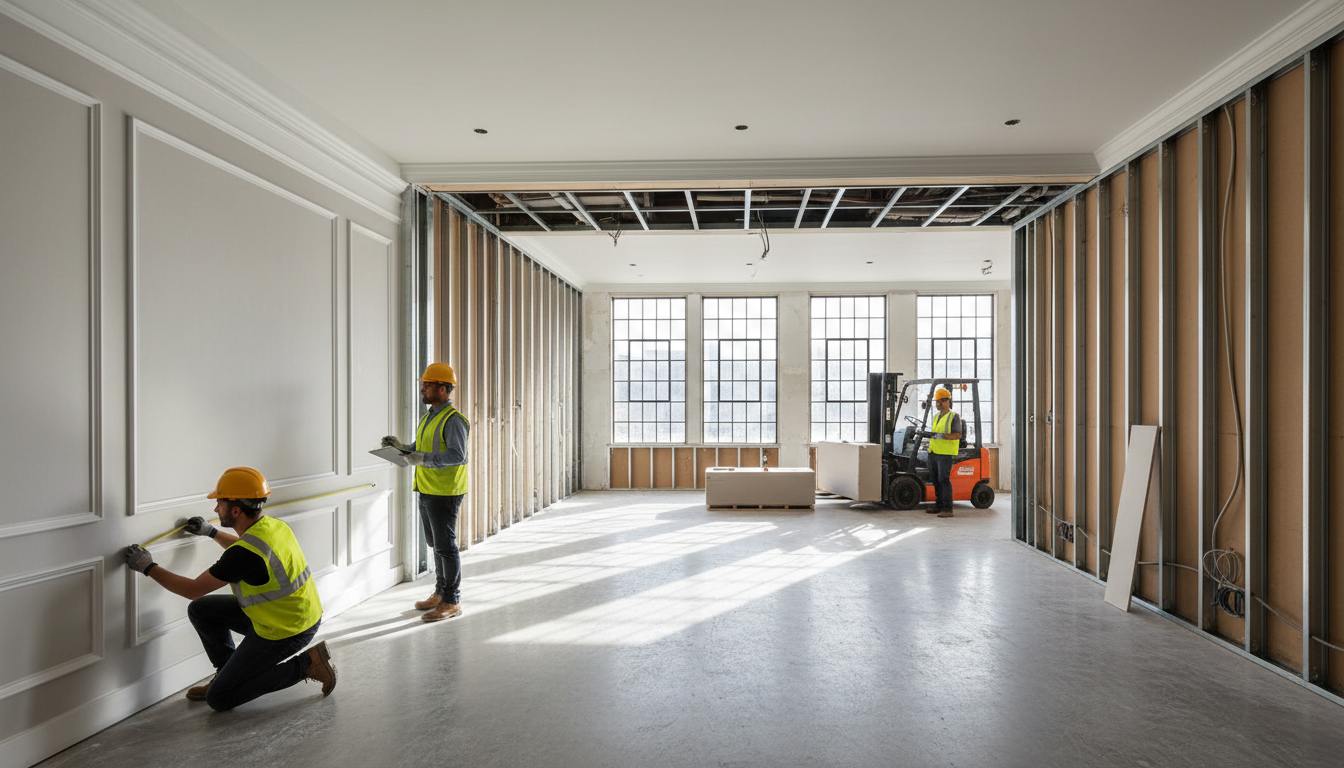
Denver experiences a diverse range of weather conditions throughout the year, from hot summers to snowy winters. These fluctuations can significantly impact construction timelines and processes. It's important to consider the typical weather patterns when planning your project to avoid unexpected delays.
Summer Considerations
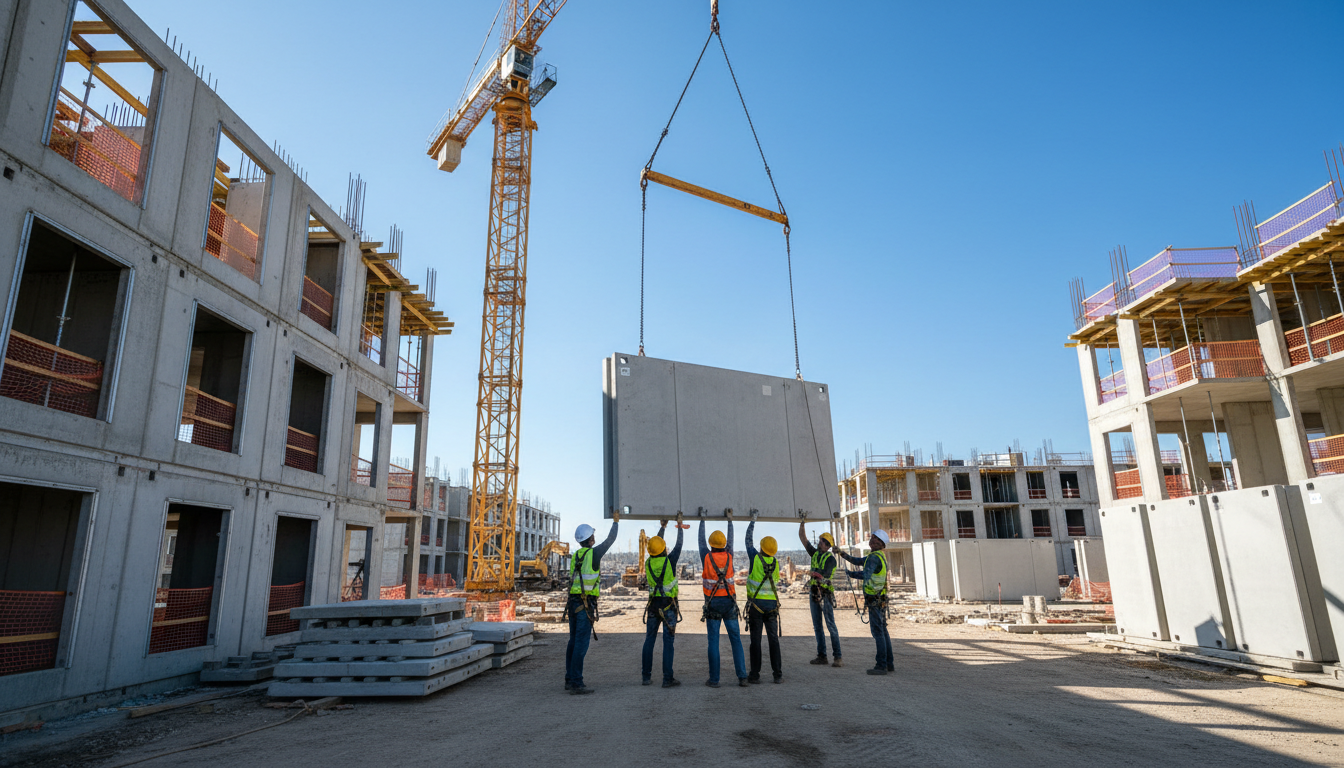
During the summer months, temperatures can soar, affecting both workers and materials. Heat can cause fatigue and dehydration among workers, so ensuring proper hydration and frequent breaks is essential. Additionally, some materials may react adversely to high temperatures, requiring special handling or storage.
Winter Challenges
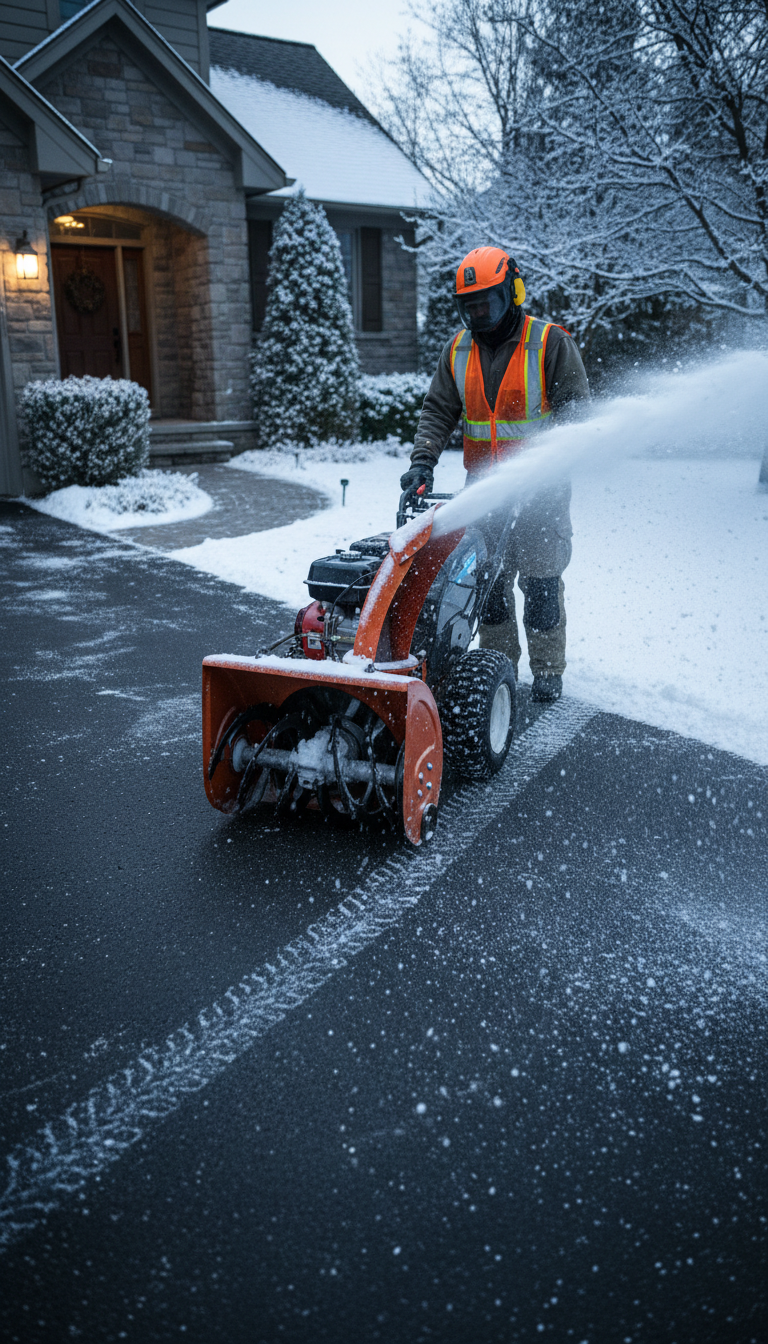
Winter in Denver can bring snow, ice, and freezing temperatures, all of which can hinder construction activities. It's vital to prepare for snow removal and de-icing, as well as ensuring that water lines do not freeze. Planning ahead can prevent costly setbacks.
Strategic Planning for Seasonal Changes
Effective planning involves anticipating weather-related disruptions and incorporating strategies to mitigate them. This may include scheduling certain phases of construction during more favorable weather and allocating resources for unexpected weather events.
Weather-Resilient Materials
Choosing materials that can withstand Denver's varying climate is crucial. For instance, using weather-resistant coatings and sealants can help protect structures from moisture and temperature fluctuations, ensuring longevity and durability.
Safety Protocols
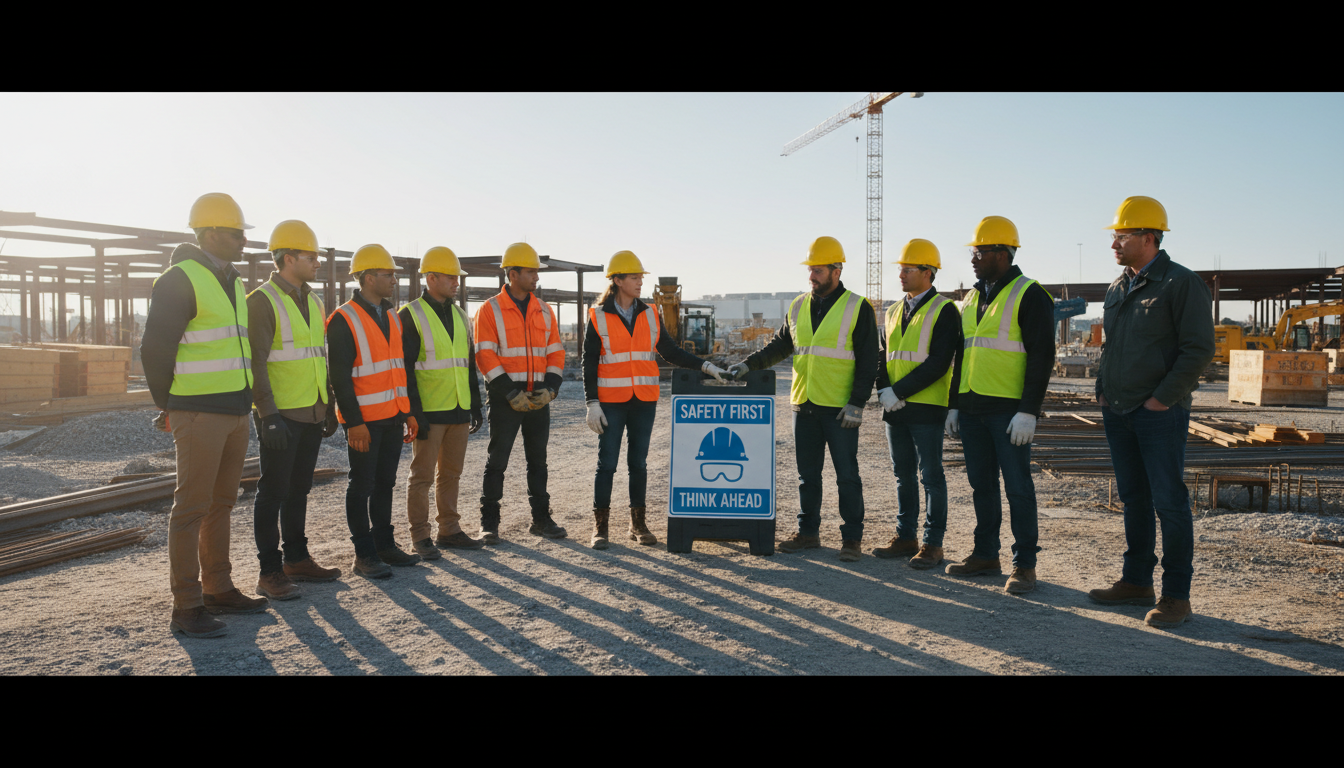
Safety is paramount in any construction project, but seasonal changes can introduce additional risks. Implementing comprehensive safety protocols tailored to the season helps protect workers and maintain project momentum.
Training and Equipment
Regular training sessions on weather-specific safety practices can greatly reduce the risk of accidents. Equipping workers with appropriate gear, such as insulated clothing in winter or sun protection in summer, is also essential.
Conclusion
Seasonal preparation is a vital aspect of managing construction projects in Denver. By understanding the local climate, selecting appropriate materials, and prioritizing safety, you can navigate the challenges posed by seasonal changes and ensure your project’s success.