
Seasonal Construction Challenges in Denver: Preparing for Winter
MA
Understanding Denver's Winter Construction Challenges
Denver's unique climate presents specific challenges for the construction industry, particularly as winter approaches. The combination of cold temperatures, snow, and ice can significantly impact construction timelines and safety. Preparing adequately for these challenges is crucial for project success.
One of the main difficulties is the unpredictable weather patterns. Denver can experience sudden snowstorms, which can halt work and delay projects. Planning for these uncertainties requires flexibility in scheduling and resource allocation.
Impact of Cold Temperatures on Construction
Cold temperatures pose a significant challenge to construction activities. Concrete, for instance, requires specific temperature conditions to cure properly. When temperatures drop, additional measures, such as using insulating blankets or heated enclosures, are necessary to ensure quality.
Moreover, workers are affected by the cold, which can lead to decreased productivity and increased safety risks. Providing adequate gear and ensuring regular breaks in warm areas are essential practices to maintain worker health and efficiency.

Snow and Ice Management
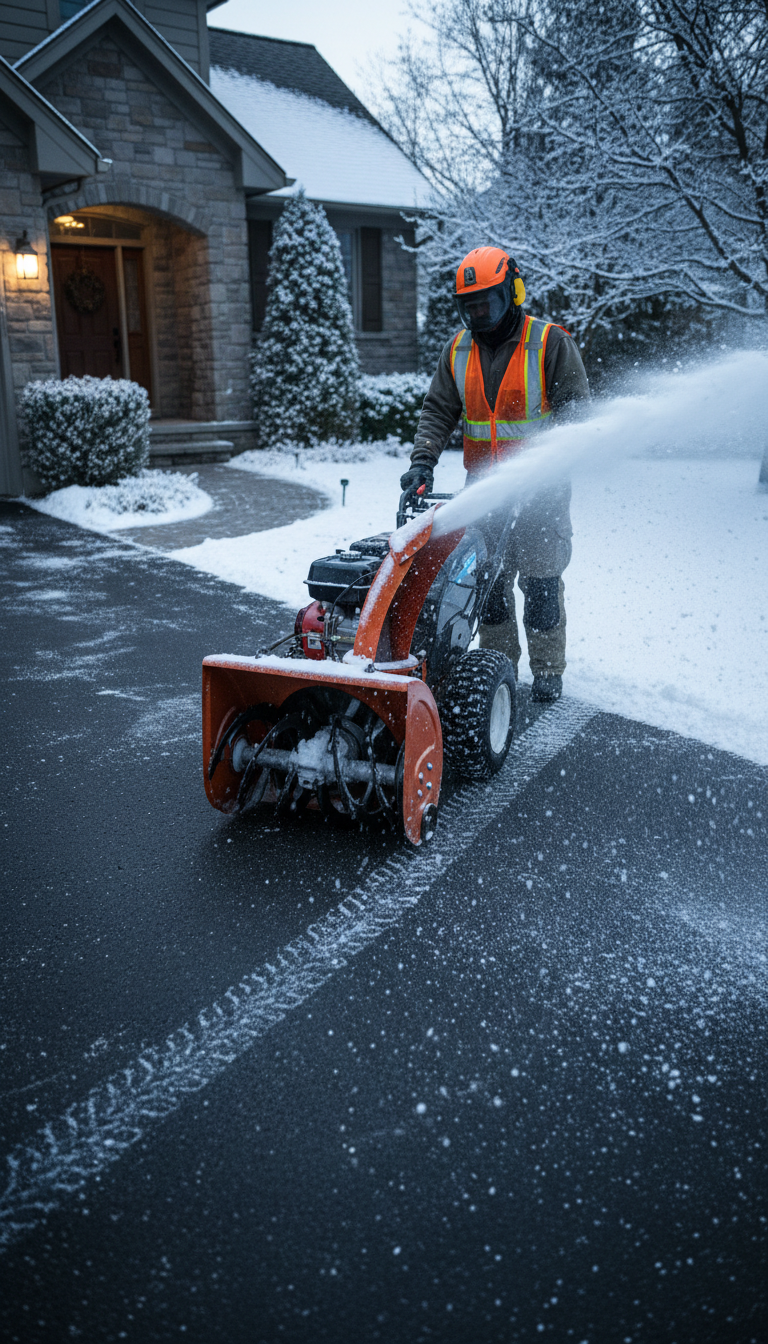
Snow and ice can create hazardous conditions on construction sites. Managing these elements involves regular clearing and salting to prevent slips and falls. Additionally, heavy snowfall can obstruct pathways and delay material deliveries, requiring contingency plans.
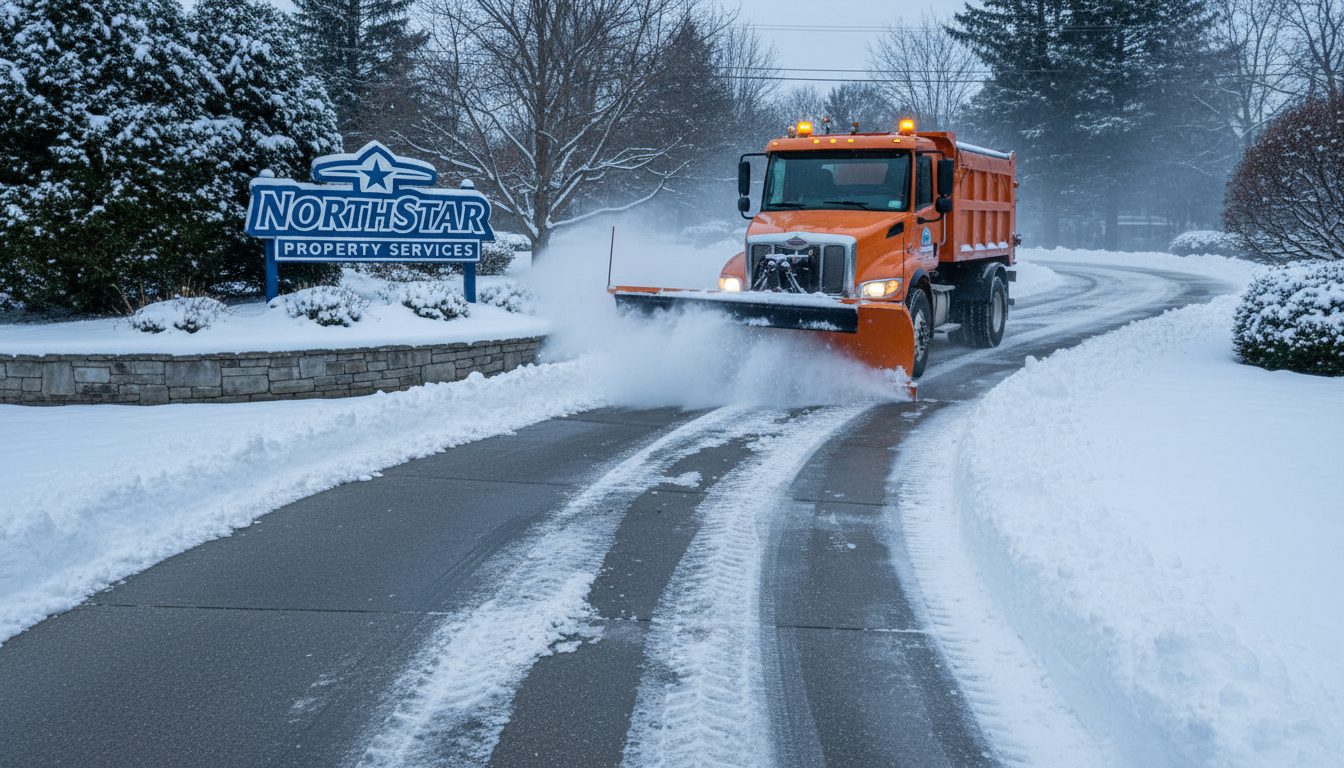
Using machinery equipped for snow removal and having a dedicated team to tackle these tasks can help minimize disruptions. It's also vital to monitor weather forecasts closely and adjust plans accordingly.
Ensuring Equipment Functionality
Construction equipment can suffer in cold weather, leading to mechanical issues that cause delays. Regular maintenance checks and using winter-grade lubricants and fuels are essential preventative measures. Keeping equipment stored properly when not in use also helps mitigate potential problems.
Investing in equipment that is specifically designed to withstand harsh winter conditions can also be beneficial. This may include machinery with heated cabs or attachments that facilitate snow removal.
Planning and Scheduling Adaptations
Adapting project schedules to account for potential weather delays is a wise strategy. Building in buffer time and having a flexible timeline can help accommodate unexpected interruptions. Prioritizing tasks that are less weather-dependent during the colder months can also keep projects on track.
Communication with stakeholders is critical during this period. Keeping everyone informed about potential delays and plans to overcome them ensures transparency and maintains trust.

Conclusion
Preparing for winter construction challenges in Denver requires a comprehensive approach that considers weather impacts on materials, equipment, and personnel. By planning ahead and implementing strategic measures, construction projects can continue to progress safely and efficiently despite the seasonal hurdles.
Ultimately, understanding and anticipating these challenges allows for smoother operations and successful project completions, even in the midst of Denver's winter conditions.