
How Denver's Unique Climate Influences Construction Projects
MA
Understanding Denver's Climate
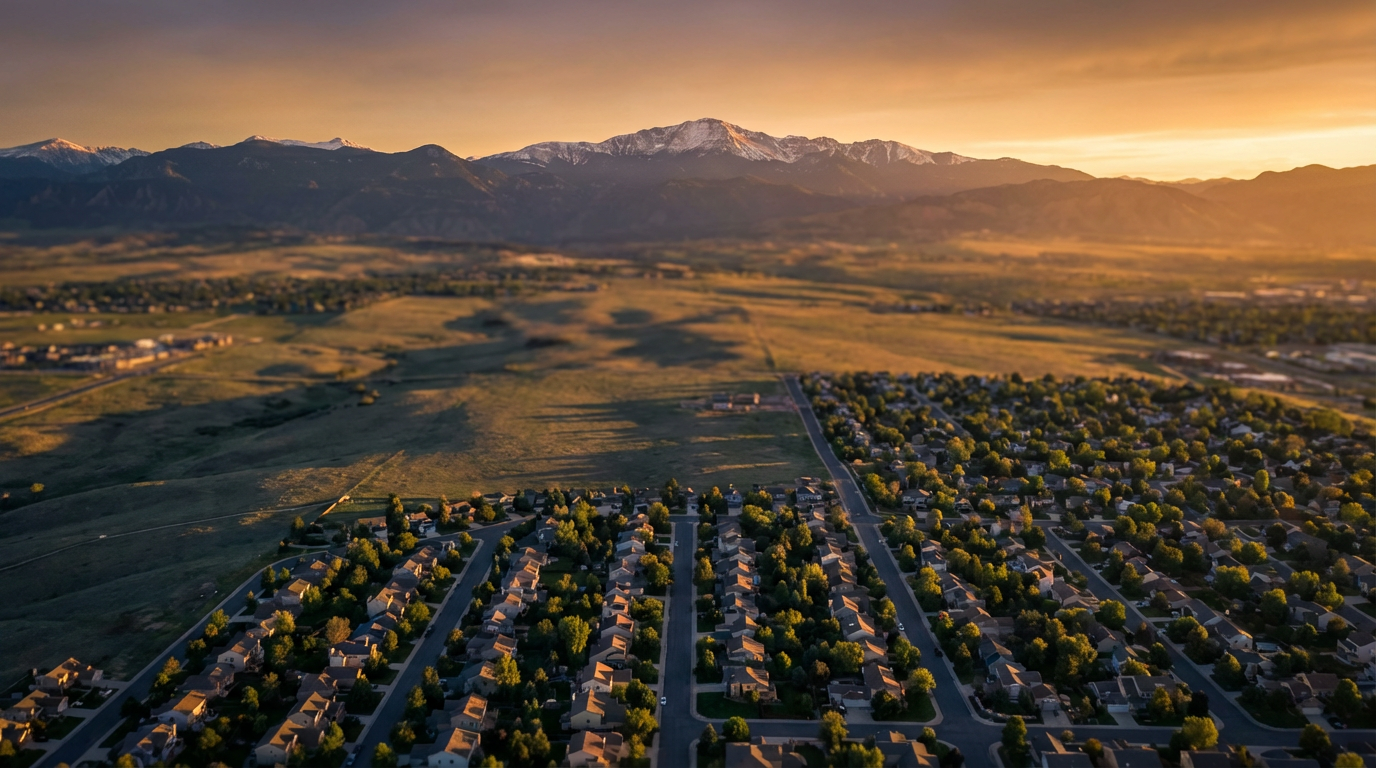
Denver, known as the Mile-High City, presents a unique climate that significantly influences construction projects. Situated at a high altitude, the city experiences a semi-arid climate with four distinct seasons. This variation requires builders and architects to consider various environmental factors during the planning and execution of construction projects.
The city typically enjoys over 300 days of sunshine annually, but also faces sudden weather changes. These fluctuations can impact construction timelines and materials used. It's crucial for construction teams to be adaptive and well-prepared for the dynamic climate conditions.
Impact of Temperature Variations
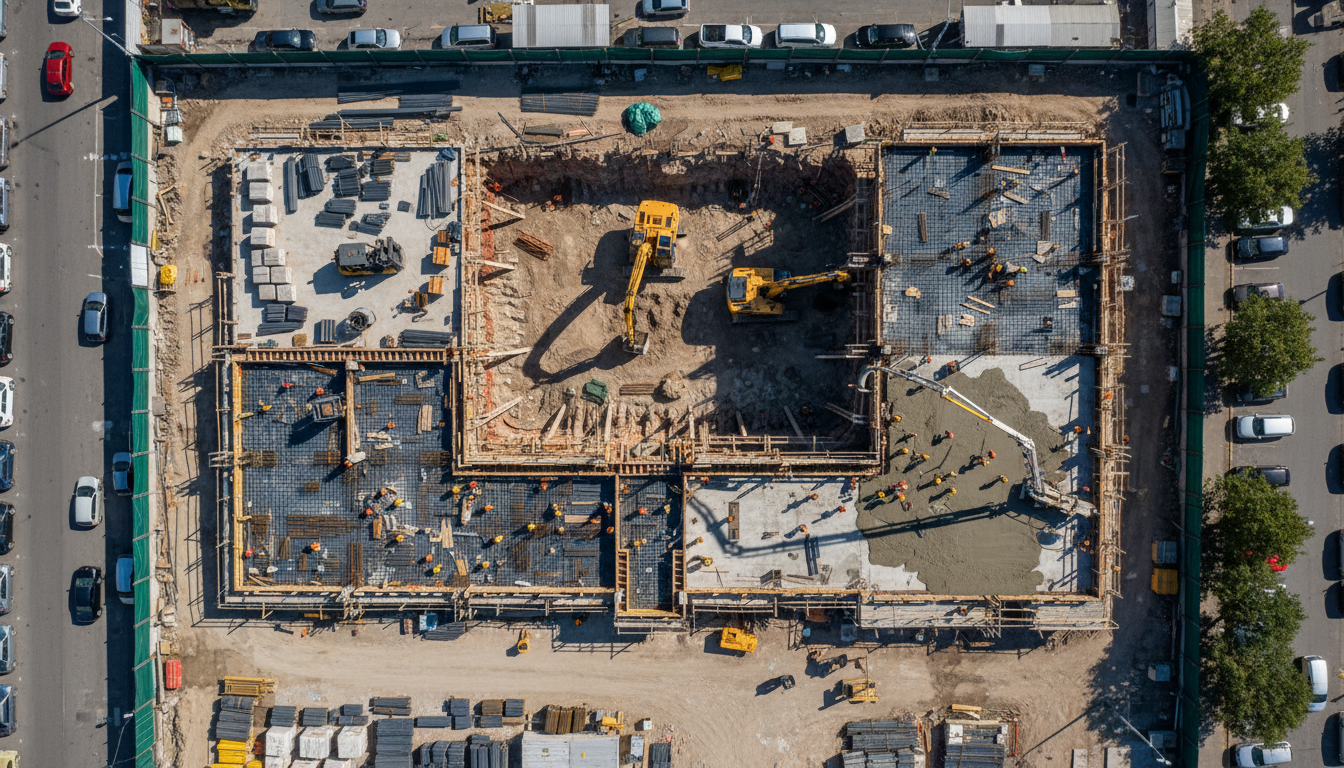
The temperature in Denver can vary dramatically between summer and winter. Summers are generally warm, with temperatures ranging from 80°F to 90°F, while winters can be chilly, often dropping below freezing. These temperature swings can affect the durability and performance of building materials.
Concrete, for instance, can expand and contract with temperature changes, potentially leading to cracks. Builders often use special mixes or additives to enhance the material's resilience. Additionally, construction schedules are carefully planned to mitigate the effects of extreme temperatures.
Dealing with Snow and Ice
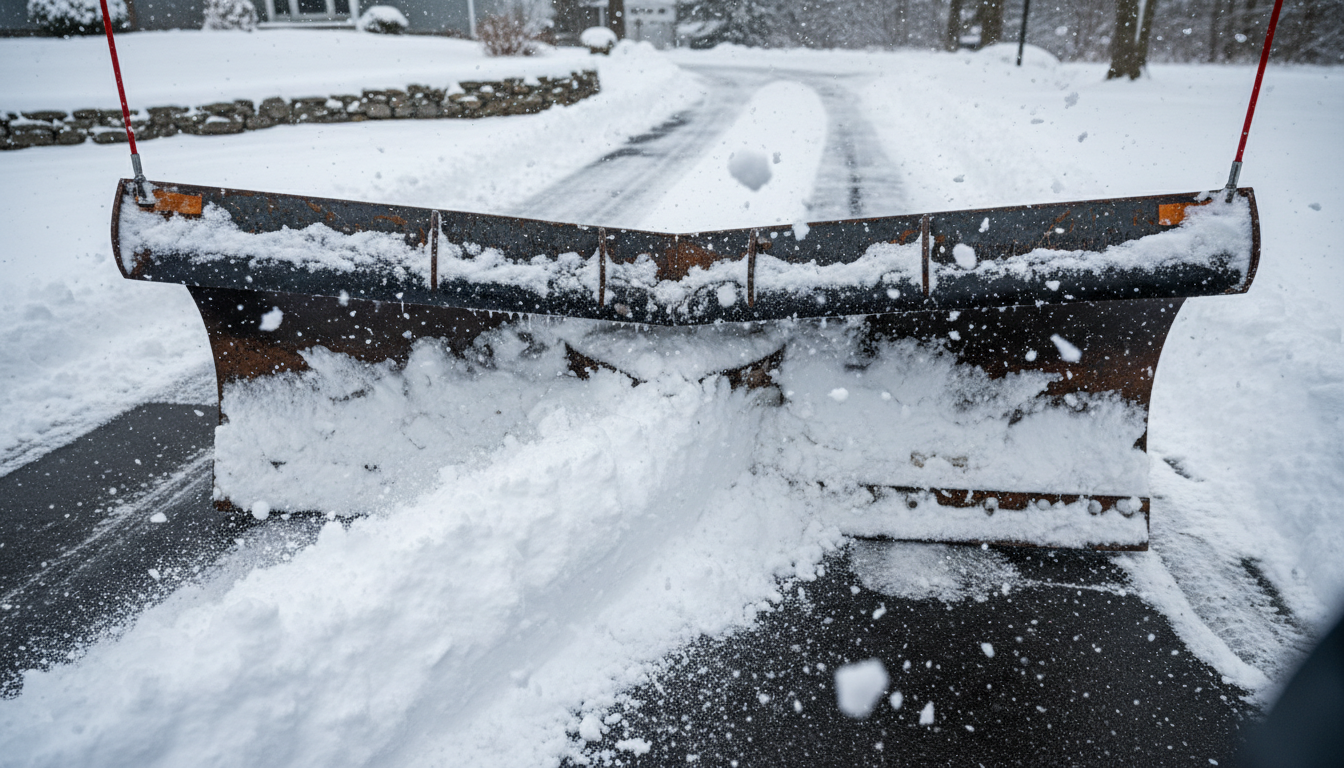
Winter in Denver brings snow and ice, which can pose challenges to construction activities. Snow accumulation can delay projects, and ice formation can create hazardous conditions for workers. To address these issues, many construction companies implement strategies such as:
- Using snow-melting systems on roofs and driveways.
- Applying de-icing agents to walkways and roads.
- Scheduling indoor work during heavy snow periods.
These strategies ensure that projects remain on schedule and that safety is prioritized during the colder months.
Managing Rain and Hail
Although Denver is relatively dry, with less than 15 inches of rain annually, sudden rainstorms and hail are not uncommon. These events can cause significant disruptions in construction projects, requiring effective water management systems.
Builders often incorporate features like sloped roofs and advanced drainage systems to handle sudden downpours. Additionally, using weather-resistant materials can prevent damage from hail, safeguarding structures against potential harm.
Adapting to Wind Conditions
Denver's location also means it can be subject to strong winds, which can pose challenges during high-rise construction. Wind load considerations are critical when designing buildings to ensure structural stability and safety.
Engineers often conduct wind tunnel tests and use aerodynamic designs to reduce wind pressure on structures. This careful planning ensures that buildings can withstand the gusty conditions typical in the area.
Conclusion
Denver's unique climate requires specific strategies and adaptations in construction projects. From temperature variations to wind and precipitation, each factor plays a crucial role in shaping building practices. By understanding and anticipating these climatic influences, builders can ensure successful project completion while maintaining safety and durability in their constructions.