Expert Tips for Navigating Colorado's Construction Regulations
MA
Understanding the Basics of Colorado Construction Regulations
Navigating Colorado’s construction regulations can be challenging, especially for newcomers to the industry. With a mix of state, county, and local requirements, understanding the rules is crucial for a successful project. Whether you're a contractor, developer, or property owner, knowing where to start is essential.
Construction regulations in Colorado aim to ensure safety, environmental protection, and quality construction practices. It’s important to familiarize yourself with the Colorado Revised Statutes (CRS) and local building codes specific to your project area.
Key Permits and Approvals
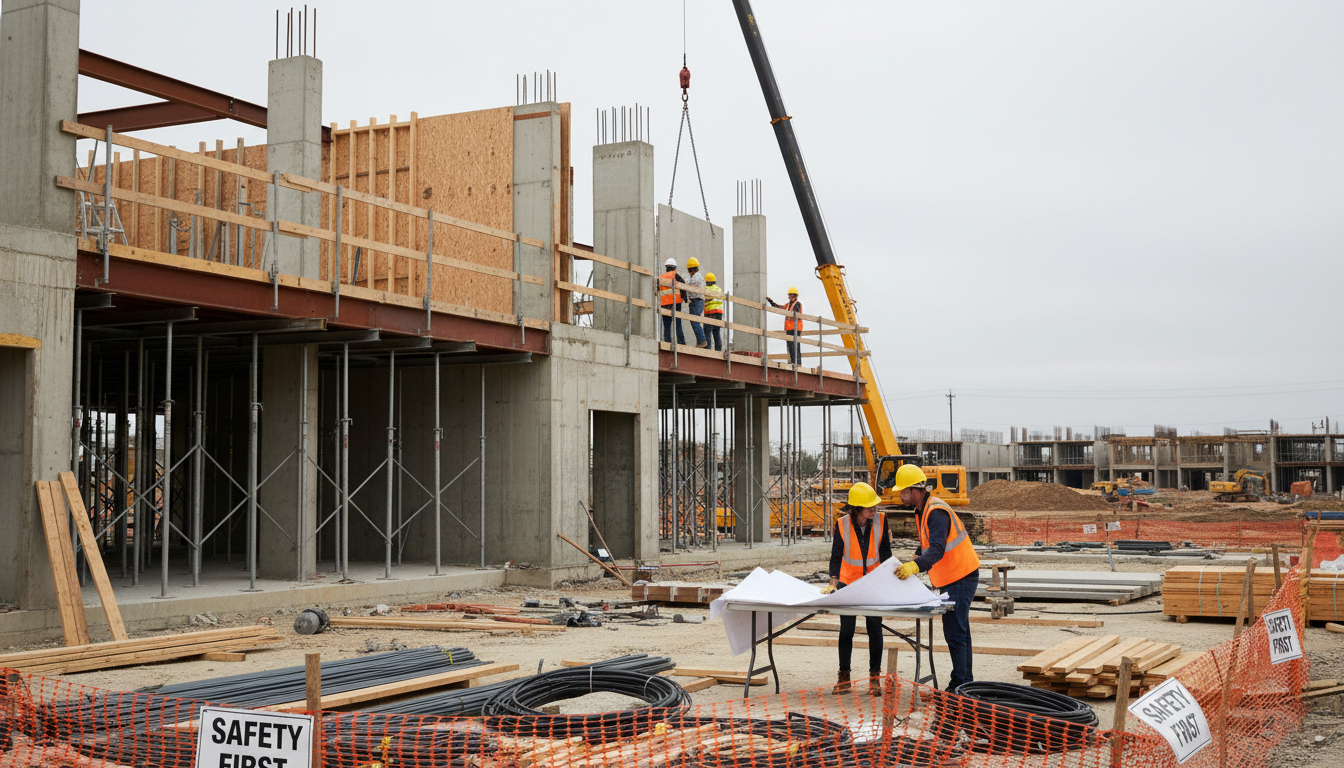
Before starting any construction project, obtaining the necessary permits is mandatory. The type of permit required often depends on the nature and location of the project. Common permits include building permits, electrical permits, and plumbing permits.
For projects impacting the environment, additional environmental permits may be required. This could include stormwater management plans or erosion control measures. It’s advisable to consult with local authorities to determine the exact permits needed for your project.
Steps to Obtain a Permit
The process of obtaining a permit generally involves:
- Submitting detailed plans and specifications to the local building department.
- Undergoing a plan review process.
- Receiving approval and paying any necessary fees.

Compliance with Local Zoning Laws
Zoning laws are a critical component of construction regulations in Colorado. These laws dictate land use and can significantly affect your project. Zoning laws often determine the types of structures that can be built and their specific uses.
Before proceeding with construction, ensure your project complies with local zoning ordinances. This may involve rezoning applications or obtaining variances if your project doesn't align with current zoning regulations.
Engaging with Local Authorities
Building a strong relationship with local authorities can ease the permitting process. Regular communication with planning and zoning departments can provide valuable insights and assist in resolving potential issues early on.
Staying Updated on Regulation Changes
Construction regulations are subject to change, and staying informed is crucial for compliance. Engaging with industry associations and subscribing to local government newsletters can keep you updated on any changes.
Regularly reviewing the Colorado Department of Regulatory Agencies (DORA) website can also provide updates on new regulations or amendments to existing laws.
Utilizing Professional Expertise
Hiring experienced professionals, like construction managers or legal advisors specializing in Colorado construction law, can be invaluable. Their expertise can help you navigate complex regulations and avoid costly mistakes.

Conclusion
Successfully navigating Colorado's construction regulations requires diligence, preparation, and the right resources. By understanding the basics, obtaining necessary permits, complying with zoning laws, and staying informed about changes, you can ensure your construction project runs smoothly and efficiently.
Whether you’re a seasoned professional or new to the field, leveraging expert advice and maintaining open communication with local authorities will significantly benefit your project’s success.