Case Study: Successful Project Management in Denver's Construction Sector
MA
Introduction to Denver's Construction Sector
Denver's construction sector has been experiencing significant growth, with numerous projects shaping the city's skyline. This boom has led to increased demand for effective project management to ensure successful outcomes. In this case study, we explore a project that exemplifies exceptional management and execution.
Project Overview
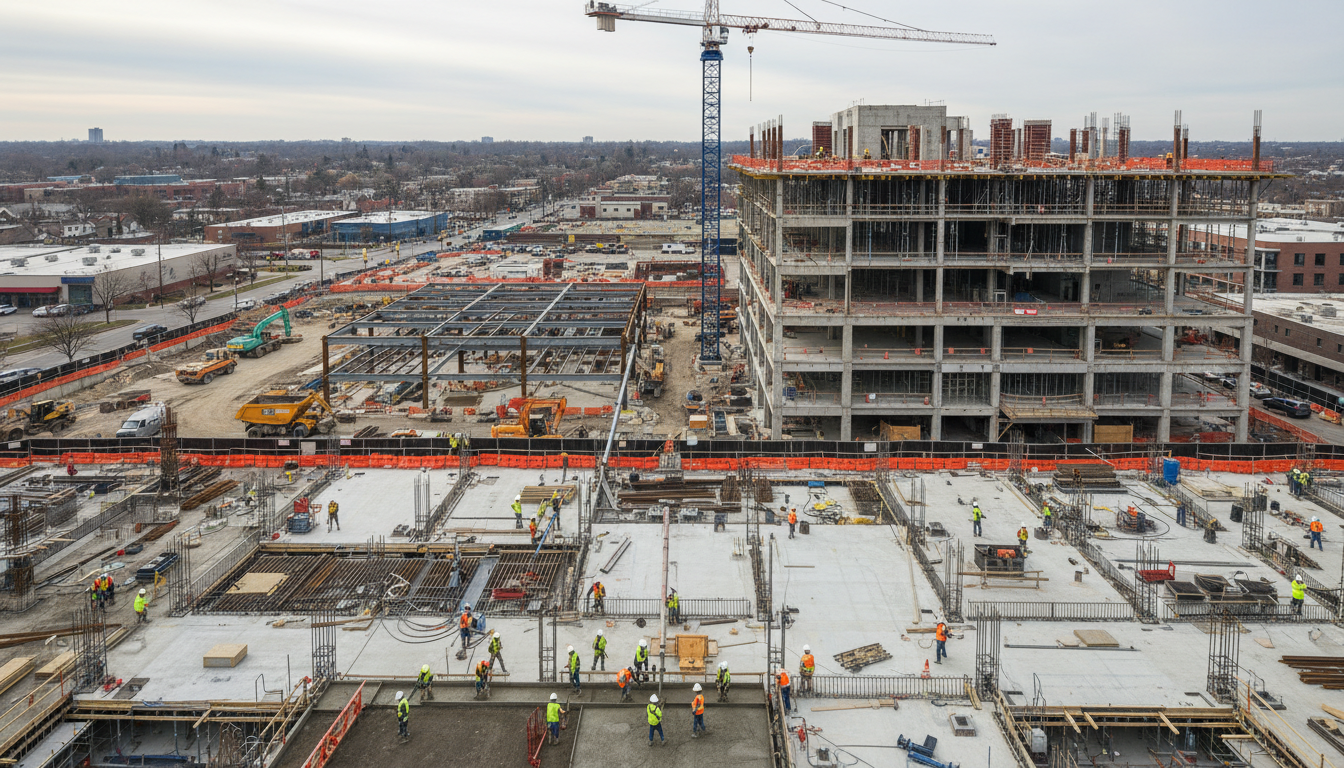
The project in focus is a downtown high-rise that blends residential and commercial spaces. Managed by a leading construction firm, the project was completed on time and within budget, setting a benchmark for future developments in the area.
Key Objectives
The primary objectives were to deliver a sustainable building, integrate modern technology, and create a community-focused environment. Achieving these goals required meticulous planning and coordination among various stakeholders.
Strategic Planning and Execution
Effective project management begins with strategic planning. The team developed a comprehensive plan that included timelines, resource allocation, and risk management strategies. This proactive approach minimized delays and mitigated potential setbacks.

Resource Management
Resource management was pivotal to the project's success. By leveraging local resources and skilled labor, the project not only supported the local economy but also ensured high-quality standards were maintained throughout the construction process.
- Optimized resource allocation
- Local workforce engagement
- Quality assurance protocols
Technology Integration
Technology played a critical role in the project's management. The use of Building Information Modeling (BIM) allowed for enhanced visualization and coordination among teams. This technology facilitated real-time updates and helped in resolving conflicts before they escalated.

Communication and Collaboration
Effective communication was maintained through regular meetings and updates. Collaboration tools ensured that every team member was on the same page, fostering a cooperative environment that was crucial for success.
- Weekly progress meetings
- Use of collaboration tools
- Transparent communication channels
Outcome and Impact
The project was completed six weeks ahead of schedule, underlining the effectiveness of the management strategies employed. The building has since become a landmark, celebrated for its design and contribution to the community.
Community Benefits
Beyond its architectural achievement, the project has provided numerous benefits to the community, including job creation and increased business opportunities for local vendors and service providers.
This case study highlights how strategic planning, resource management, technology integration, and effective communication can lead to successful project management in Denver's booming construction sector.