Avoiding Common Pitfalls in Colorado Constructions: A Comprehensive Guide
MA
Understanding Local Regulations
Before embarking on any construction project in Colorado, it's crucial to familiarize yourself with local regulations. Each municipality may have its own set of rules and requirements, which can significantly impact your project’s timeline and budget. Ignoring these regulations can lead to costly fines or project delays.
To avoid these pitfalls, consult with local authorities and consider hiring a professional who specializes in Colorado construction laws. They can help you navigate the complexities of zoning, permits, and inspections.

Weather Considerations
Colorado's weather can be unpredictable, with sudden changes that can affect construction timelines. From snowstorms in the winter to intense thunderstorms in the summer, weather can be a major hurdle.
Plan accordingly by building in buffer time for potential weather-related delays. Additionally, ensure that your construction materials and methods are suitable for Colorado's diverse climate conditions.

Choosing the Right Materials
Selecting the right materials is essential to the longevity and success of your construction project. In Colorado, materials must withstand varying temperatures and environmental conditions.
Consider using materials that offer durability and energy efficiency. Consulting with local suppliers can provide insights into the best options for your specific location and project type.

Hiring Qualified Professionals
One of the most common pitfalls in construction projects is hiring unqualified professionals. Whether it’s architects, engineers, or contractors, ensuring they have the right credentials and experience is crucial.
Request references and check reviews to verify their qualifications. It's also advisable to confirm that they are familiar with local building codes and have a solid track record of successful projects.
Effective Project Management
Project management is key to avoiding delays and ensuring a smooth construction process. Without effective oversight, projects can quickly veer off schedule and over budget.
Implement a robust project management plan that includes clear timelines, budget tracking, and regular progress updates. This ensures all team members are aligned and proactive in addressing potential issues.

Budgeting for Contingencies
Unexpected expenses are a common issue in construction projects. To safeguard against this, include a contingency fund in your budget. This will help accommodate unforeseen costs without derailing the entire project.
Typically, setting aside an additional 10-15% of the total project cost for contingencies is a wise practice. This buffer can provide peace of mind and financial flexibility.
Prioritizing Safety
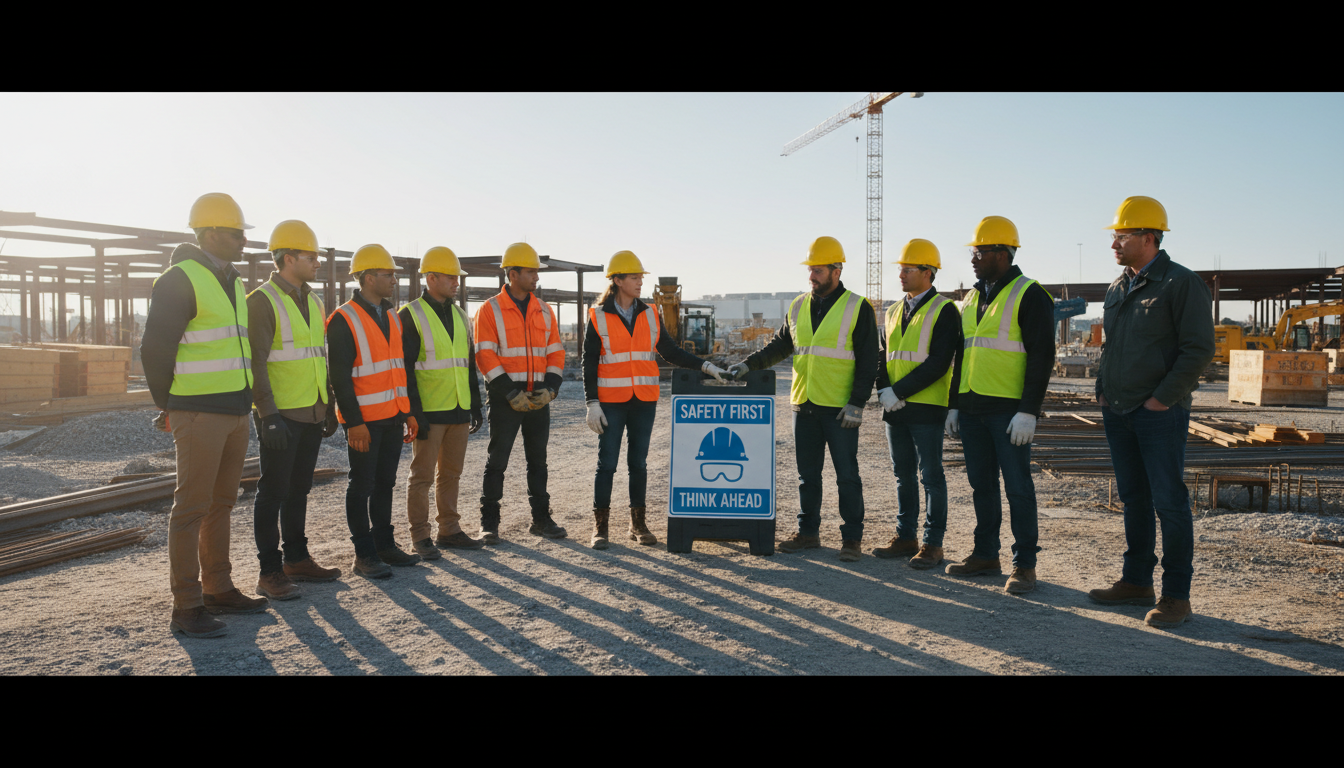
Safety should always be a top priority on any construction site. Accidents not only pose a risk to workers but can also cause significant project delays and legal complications.
Ensure that all safety protocols are followed and that workers are adequately trained. Regular safety audits can help maintain a secure working environment.
Maintaining Open Communication
Finally, maintaining open and transparent communication with all stakeholders is crucial. Miscommunication can lead to misunderstandings, errors, and delays.
Hold regular meetings and provide updates to keep everyone informed. This fosters collaboration and helps preemptively address any issues that arise.